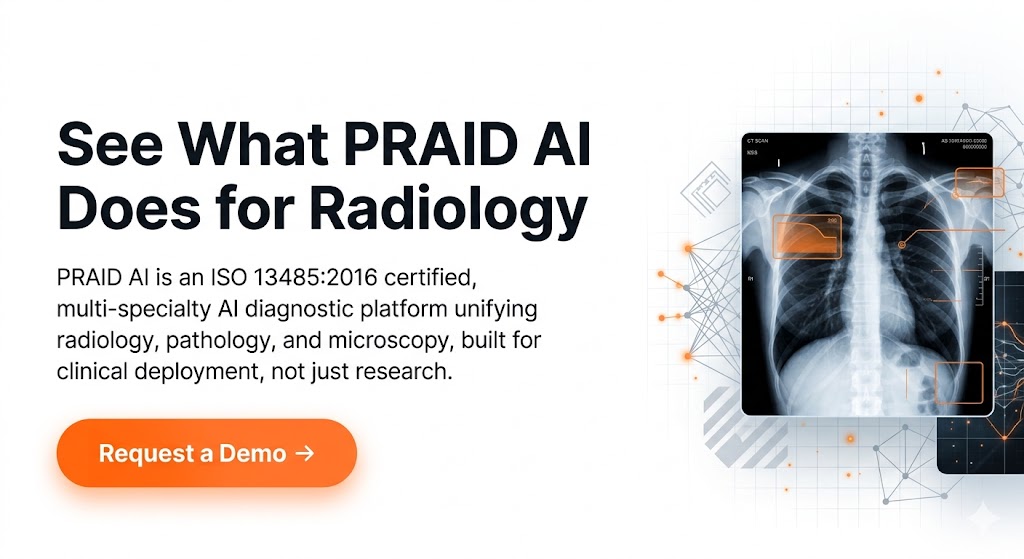
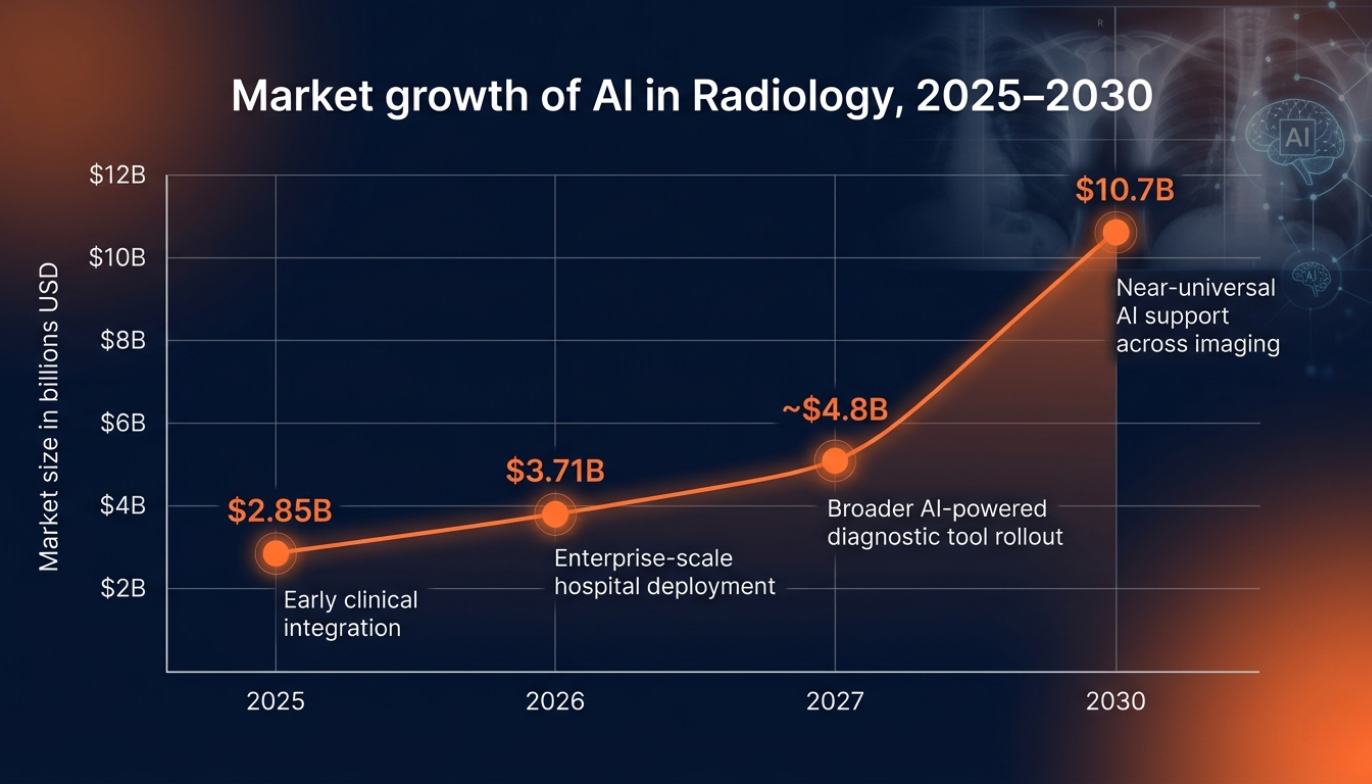
$3.71B
Global AI radiology market size in 2026
ISO 13485: 2016 Certified - Software as a Medical Device (SaMD)

From detecting lung nodules faster than a senior radiologist to slashing report turnaround times in half, AI-powered diagnostic imaging is no longer a pilot project. It's a clinical reality.
Ayesha Khan · April 2026 · 8 min read
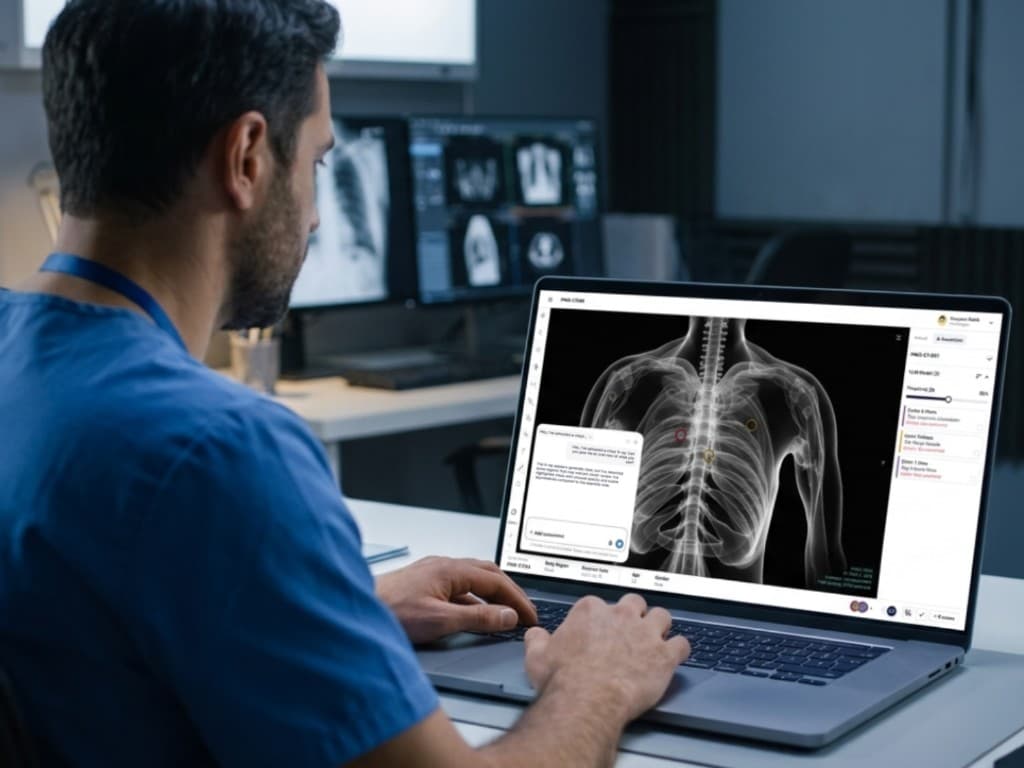
A radiologist in a busy hospital reads over 20,000 images a year. Fatigue sets in. Subtle patterns get missed. Now imagine an AI diagnostic platform running alongside them, flagging every anomaly, prioritising urgent cases, and generating a preliminary report in seconds. That's not the future. That's 2026.
$3.71B
Global AI radiology market size in 2026
94%
AI accuracy in lung nodule detection vs 65% for radiologists alone
50%
Reduction in stroke diagnosis time with AI-enabled imaging
1,247
AI-enabled medical devices with FDA authorisation as of 2025 — 75% in radiology
The numbers tell a story that hospital executives, radiologists, and health ministries are taking seriously. AI in medical imaging has moved from a research curiosity to a clinical standard, and for hospitals in the Middle East, South Asia, and beyond, the window to adopt or fall behind is narrowing fast. It's precisely this gap that PRAID AI was built to close: an ISO 13485:2016 certified, multi-specialty AI diagnostic ecosystem unifying radiology, pathology, and microscopy under one intelligent platform.
Global imaging volumes have been growing at 3–5% annually for over a decade, while the radiologist workforce has not kept pace. In many healthcare systems, scan backlogs run into weeks. Diagnostic errors, many of them caused by cognitive overload rather than incompetence, affect an estimated 5% of the population each year.
AI-powered radiology diagnosis addresses this at the root. Deep learning models trained on millions of annotated scans can process an MRI or CT study in seconds, identify patterns invisible to the human eye, and feed a structured, prioritised output directly to the radiologist. The radiologist doesn't disappear—they elevate. Their job shifts from exhaustive screen-reading to clinical judgment and patient communication.
The shift in plain terms: AI doesn't replace the radiologist. It removes the part of the job that causes burnout - the repetitive, high-volume image triage and lets the specialist do what only a specialist can.
In oncology imaging, the stakes are existential. A missed nodule on a CT scan can mean the difference between Stage I and Stage IV. AI cancer detection in radiology has reached a level of clinical maturity that's hard to ignore:
| Cancer type | AI performance | vs. radiologist alone | Benefit |
|---|---|---|---|
| Lung nodule (CT) | 94% accuracy | 65% accuracy | +29% detection rate |
| Breast cancer (mammography) | 91% early detection | 74% accuracy | 9.4% sensitivity gain |
| Breast cancer (mass) | 90% sensitivity | 78% sensitivity | Fewer false negatives |
| Multi-cancer screening | >85% accuracy | Variable | Cross-modality coverage |
Sources: MGH/MIT collaboration; South Korean breast cancer AI study; SQ Magazine AI Imaging Statistics 2026
These aren't theoretical benchmarks. They come from real clinical deployments—hospitals that made the decision to implement multi-specialty AI diagnostic platforms and measured the outcome.
In acute neurology, time is neurons. Every minute of delayed stroke diagnosis increases permanent brain damage. AI-enabled stroke detection has demonstrated a 50% reduction in time-to-diagnosis in emergency imaging settings—a figure with direct impact on mortality and long-term disability outcomes.
AI triage tools can automatically flag intracranial haemorrhage, pulmonary embolism, or aortic dissection in a scan queue and push those cases to the top of the radiologist's worklist even before they sit down at their workstation.
Beyond detection, AI in radiology workflow is transforming how reports are generated. Large language models now draft structured radiology reports from imaging data comparable in quality to human-written reports according to blind evaluation studies. Reporting time drops by 30–50%.
Radiologists review, refine, and sign off. Volume handled per radiologist increases dramatically. Within the PRAID AI ecosystem, this isn't a standalone feature—it feeds directly into a unified diagnostic record that includes pathology and microscopy findings, giving the clinician a complete picture in one place, not three.
Regulatory momentum is keeping up. As of August 2025, 1,247 AI-enabled medical devices have received FDA authorisation—over 75% of them in radiology. The EU AI Act, fully in force by 2026, now classifies radiology AI as "high-risk," requiring documented training data, bias audits, and mandatory human oversight. This isn't a barrier—it's a quality floor that separates serious clinical tools from marketing noise.
What this means for hospital procurement: What this means for hospital procurement: In 2026, asking "is your AI FDA-cleared or ISO 13485 certified?" isn't due diligence—it's the baseline. Platforms without regulatory compliance simply aren't in the conversation.
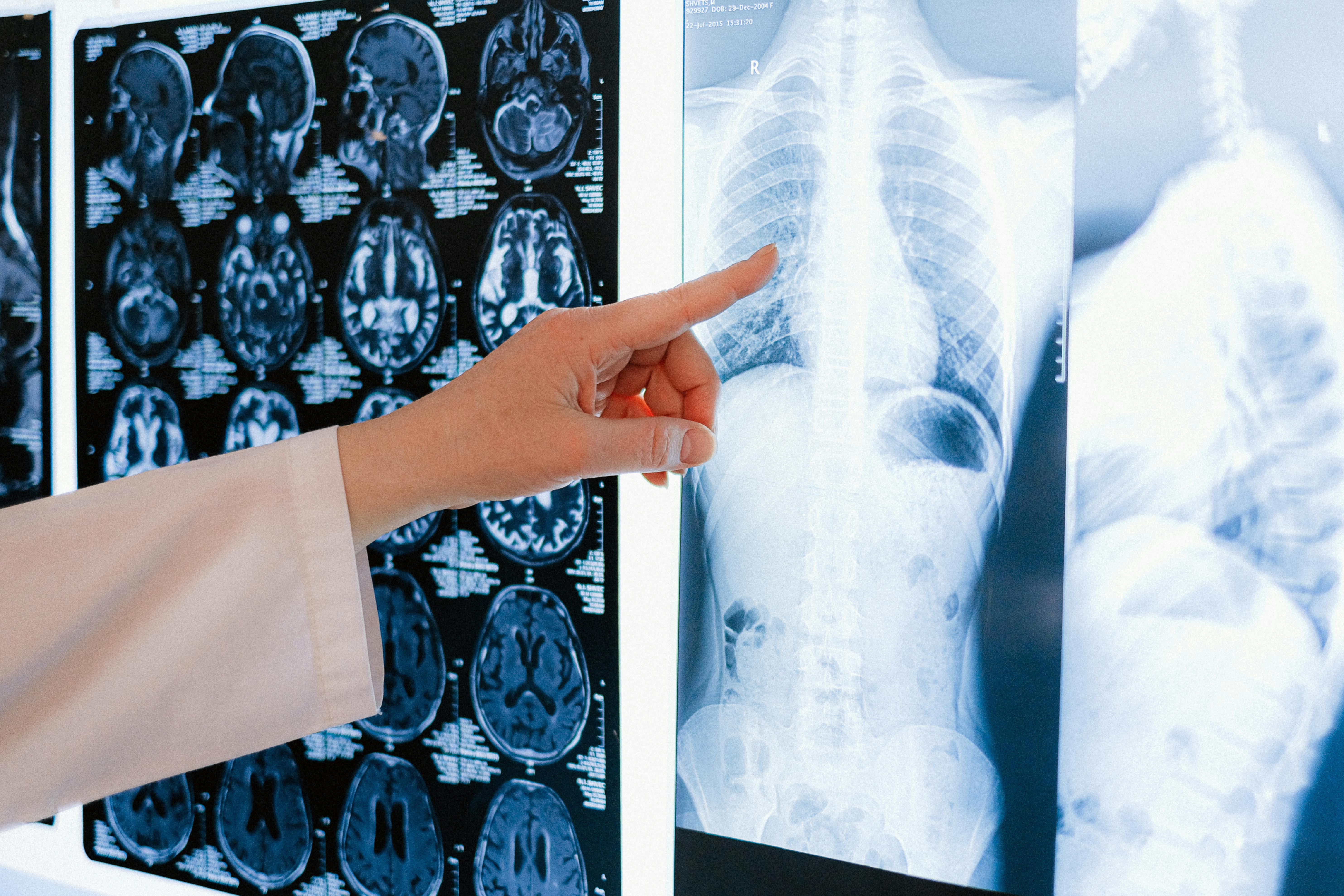
| Imaging modality | AI steps available (2026) | Key capability |
|---|---|---|
| MRI | 70% of workflow steps | Segmentation accuracy up to 94% |
| CT | 64% of workflow steps | 41.6% of AI imaging revenue; nodule detection at 95% sensitivity |
| X-ray | Rapidly expanding | 25–30% CAGR; fastest-growing modality for AI |
| Mammography | Widely deployed | AI second-reader reducing recall rates in screening |
Source: PMC structured narrative review, 2026; SQ Magazine 2026
By 2030, research projects that nearly all MRI and CT workflow steps will be AI-supported. The transition isn't distant—70% of large health systems across the US already deploy AI covering at least three major clinical specialties.
Single-task AI tools—a model that only reads chest X-rays, or only flags stroke—create integration overhead and data silos. The direction of clinical AI in 2026 is decisively toward integrated, multi-specialty AI diagnostic platforms that unify radiology, pathology, and clinical data in a single analytical layer.
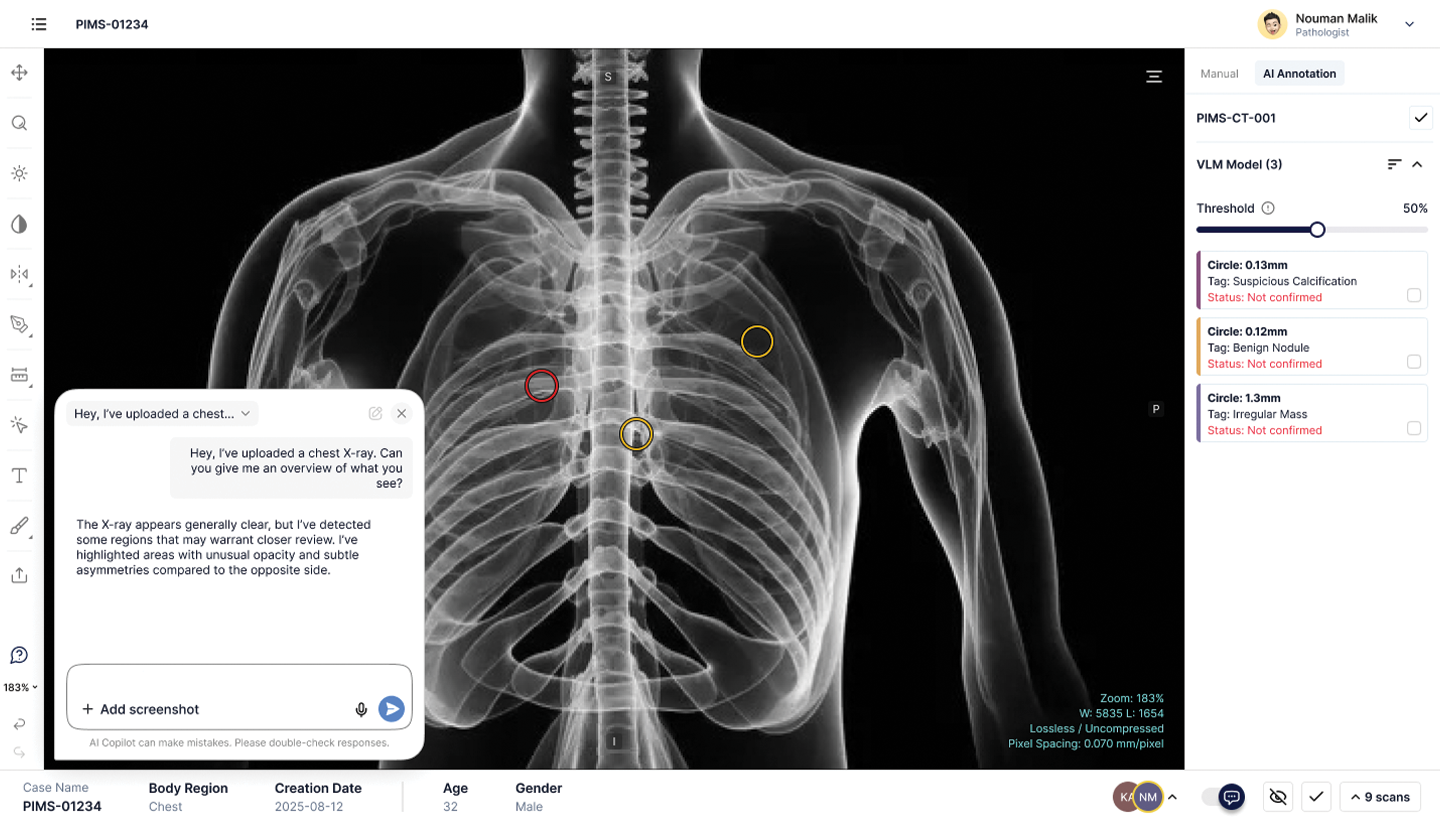
This is the architecture that enables true clinical intelligence: a system that doesn't just detect a lesion on a CT scan but correlates it with pathology findings, prior imaging, and lab markers, delivering a richer, more accurate picture to the clinician.
Where most AI tools stop at image detection, PRAID AI's ecosystem goes further: correlating a lesion on a CT scan with pathology slide findings and microscopy data—delivering a unified diagnostic output to the clinician rather than three separate reports from three disconnected systems. It's the difference between AI assistance and AI intelligence.
For hospitals in markets like Saudi Arabia, UAE, and Pakistan, where diagnostic imaging backlogs are acute and radiologist density is low relative to population, this integrated model offers the highest return on AI investment.
PRAID AI's platform is built with these markets in mind: deployable in resource-variable settings, designed for high scan volumes, and clinically validated for the disease burden patterns most prevalent in the region.
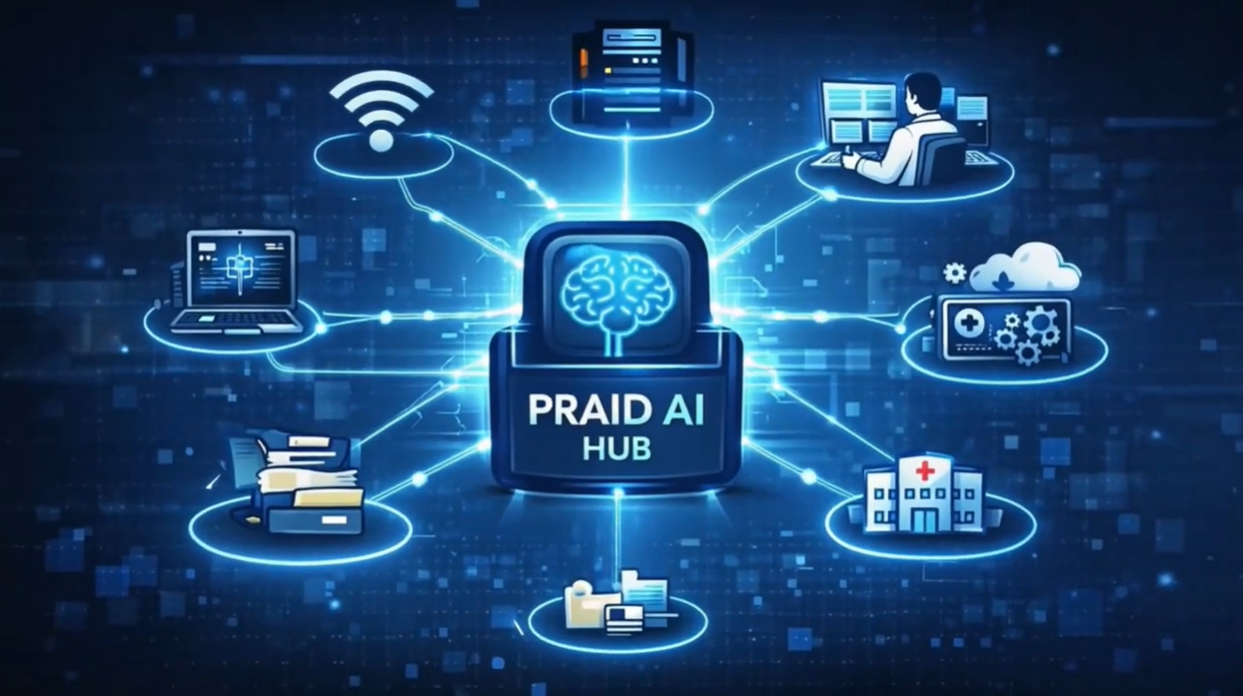
To learn more you can watch
AI radiology diagnosis in 2026 is not about replacing radiologists. It's about making them faster, more accurate, and more resilient against the volume pressures that define modern healthcare. The data is unambiguous: AI improves detection rates, slashes turnaround times, reduces diagnostic errors, and scales in ways that human staffing simply cannot.
The question hospitals are no longer asking is "should we adopt AI diagnostic imaging?" The question is: "which platform, and how fast can we deploy it?"